
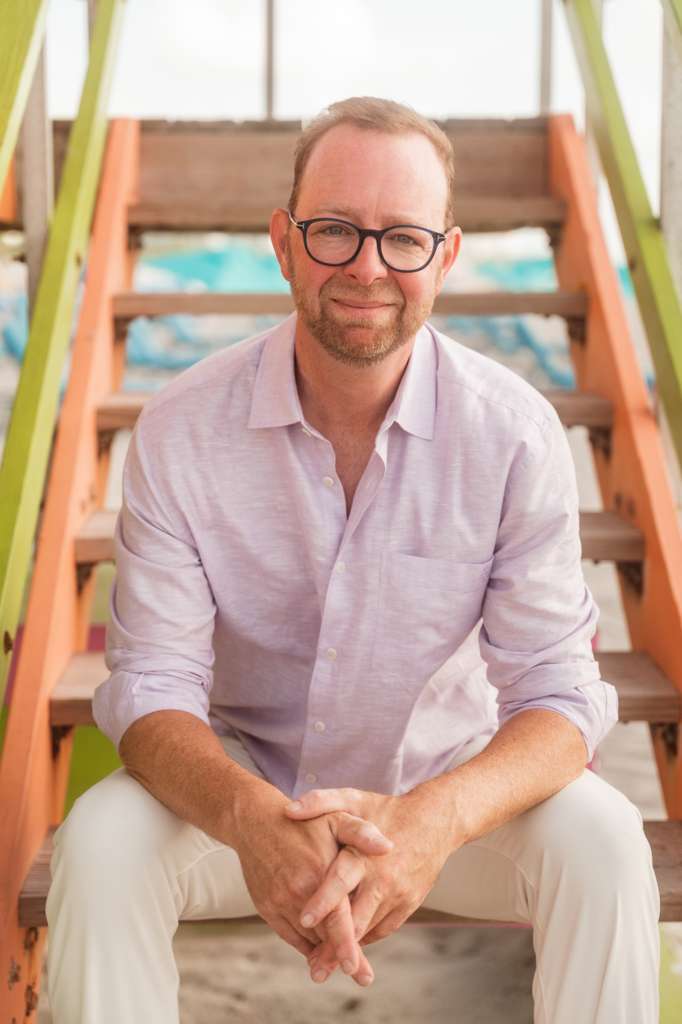
Micah Laughlin
Chief Strategy Officer

Stratos Edge
AI adoption intelligence is the work of turning what a company has already started with AI into a plan its board will approve: a return target on every move, the order to run them, and who delivers each one. Stratos Edge is the company that provides it.
Our mission is to help the people inside a company come through the change to AI well, and make the company better because they did.
Micah and Jeff built FlightPlan™ and Radar™ from what they learned as a CIO and a partner on the vendor side. Before the method, there was a reason.
Micah Laughlin
Chief Strategy Officer
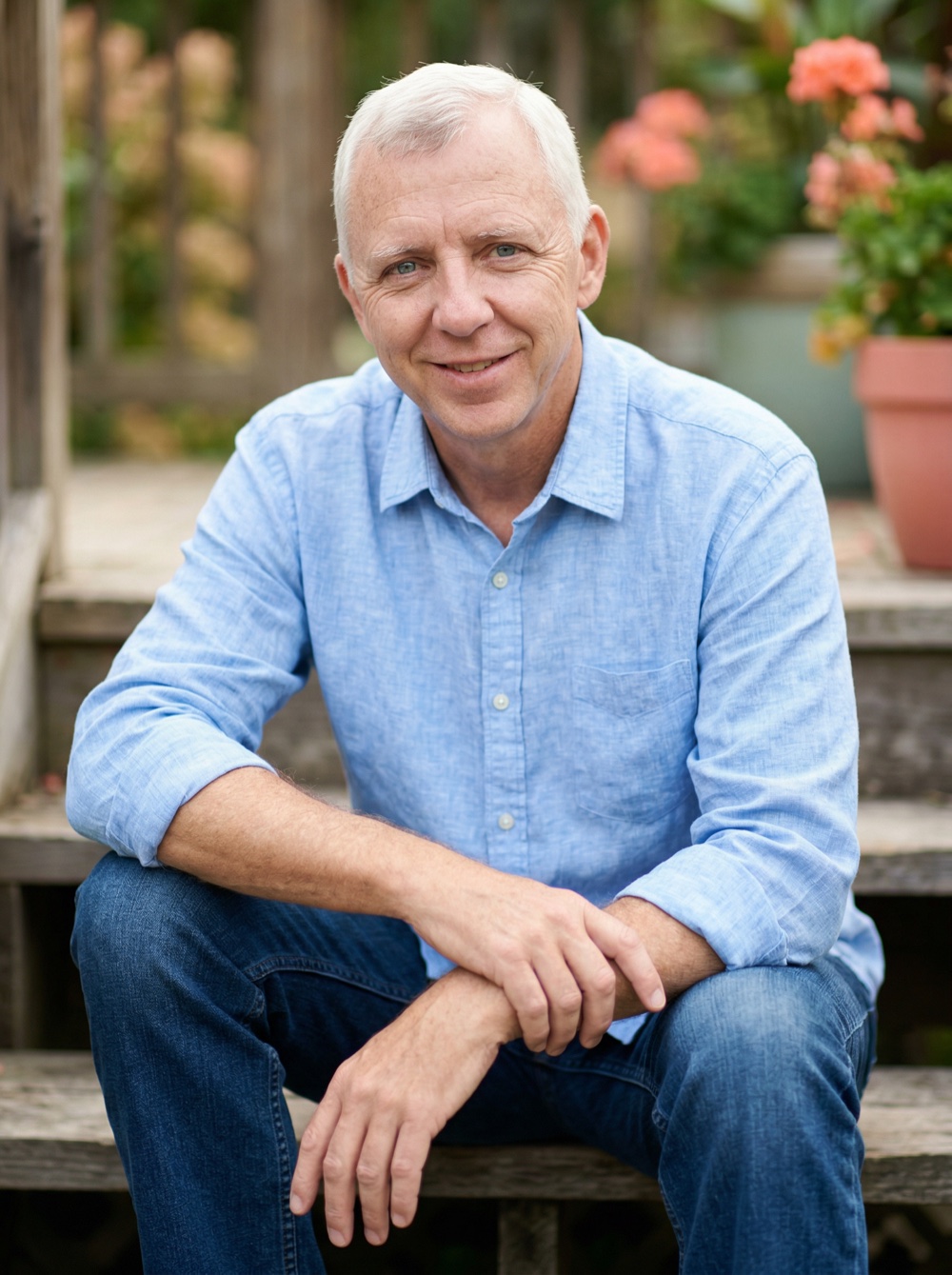
Jeff Hardman
Chief Revenue Officer
Stratos Edge is personal to both of us.
Both of us have spent our lives working with people, whatever the job title said. Jeff coached soccer for years on the side, and followed the same kids from youth teams through their college seasons. Micah went back and trained in counseling psychology partway through his career. Neither was the day job. Both were the same work.
You hold the picture of what a person is capable of before they can see it themselves, and you walk with them until they do.
The day jobs were in technology, and we each built something along the way. Jeff started his own business, ran it, and sold it. Micah ran a services company for years while working as a CIO. We know what it is to carry a payroll and what a bad decision costs the person who signed it.
Then we spent ten years working together inside the same companies, improving how they ran one outcome at a time. We stayed with those companies. When a plan changed, we changed it alongside them. We still measure our own success by whether the people we worked with are better off years later.
A task we had done a certain way for twenty years ran differently, and we were the ones who saw how. Knowledge that used to take a graduate degree to reach was at our fingertips, and we put it together with what a career had taught us to do something we could not do the year before. We got time back to think. We got evenings back for things that matter more than work. We felt more capable, and we knew it.
We wanted other people to have that moment.
So we started with a few, inside companies we already knew. A person in one role, then another. Someone told us the report they used to lie awake preparing was ready when they walked in the next morning. Someone else redesigned their own week and stopped asking permission to think. It worked one person at a time, and we kept asking the same question:
If this happens for the two of us, and it happens for a handful of people in a company, what would it mean for an entire workforce?
We are here for the human side of AI: the person who realizes what they are capable of, whose work gets lighter and more their own, who has room to think again. When that happens to enough people in one place, the company changes because its people did. We care about the second part. We got into this for the first.
Relationships matter to us. We take them seriously and we guard them. Our goal is to help the people we work with come through this change well, for them and for their whole workforce, and to keep learning alongside them as it unfolds.
So this is personal. It’s the people who got you here. We want to see what they do next, and we plan to be there when they do.
Micah and Jeff
Founders, Stratos Edge
Thirty minutes of operating context is enough to name the problem we’d go after first, and why.
There’s nothing to prepare.